Dreaming of madness
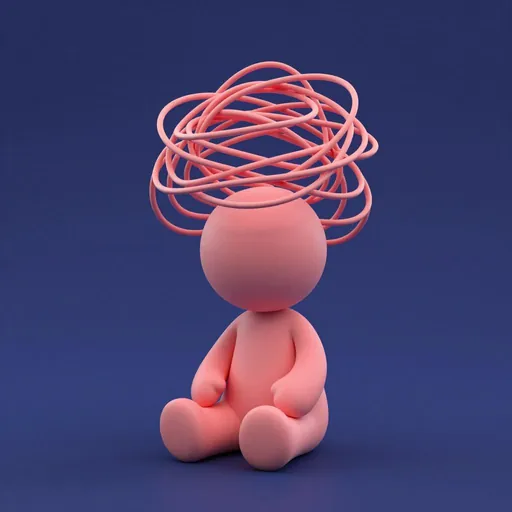
Experiencing or witnessing a loss of control in a dream reflects internal tension, cognitive overload, and deep-seated anxiety about losing stability.
Madness dream interpretation
Dreams involving madness often point to a period of intense mental strain, where current life pressures push the psyche to its limits. This imagery speaks to feelings of overwhelm, fatigue, and the fear of losing grip on daily responsibilities or emotional equilibrium.
Such dreams frequently surface when an individual is grappling with difficult choices, strained relationships, or financial worries that drain their coping resources. The mind uses the extreme symbol of madness to process a sense of chaos and vulnerability, signaling the urgent need for rest and psychological boundary-setting.
Three views of one image
Jungian reading
From the perspective of depth psychology, experiencing madness in a dream represents an encounter with the shadow—the repressed or unrecognized parts of the psyche that demand integration. This state symbolizes the chaotic creative energy of the unconscious disrupting rigid ego defenses during the individuation process. Facing this intense inner turmoil allows the personality to dissolve outdated structures and rebuild a more authentic, balanced self.
Analytical psychology
Freudian reading
In psychoanalysis such an image is associated with the fear that repressed impulses and unruly desires might break through the defenses of the rational mind. The specter of losing one's reason can express anxiety about no longer keeping instinctual and emotional life under conscious control. The dream may thus dramatize the tension between the ego's strict order and the pressure of unconscious material pushing toward expression.
Psychoanalysis
Miller's dream book (1901)
Miller's 1901 dream book interprets a dream of being seized by madness as an omen of hardship approaching the dreamer, coupled with an illness said to threaten the loss of property. When the dream shows other people suffering from this affliction, the old text reads it as a warning about changeable, unreliable friends and about bright hopes coming to a bleak end. In this reading the image serves as a symbol of coming trials rather than a statement about the dreamer's actual state of mind.
Classic dream book, retold
Madness dreams: common scenarios
Experiencing personal madness
Reflects deep personal stress, cognitive fatigue, and the overwhelming weight of unaddressed responsibilities.
Witnessing madness in others
Highlights anxiety about the reliability of social connections and the frustration of unmet personal expectations.
Fear of going mad
Points to a conscious struggle with intrusive thoughts, anxiety, and a feeling that current coping mechanisms are failing.
One dream, three views
Get a reading of your own dream from the dream dictionary, Jung, Freud and Miller.
Interpret a dream